About NoGlyph
The origin, intent, and philosophy behind the psychological dungeon.
About
Exploring the ideas, systems, and vision that shaped the NoGlyph psychological dungeon.
The Design Philosophy
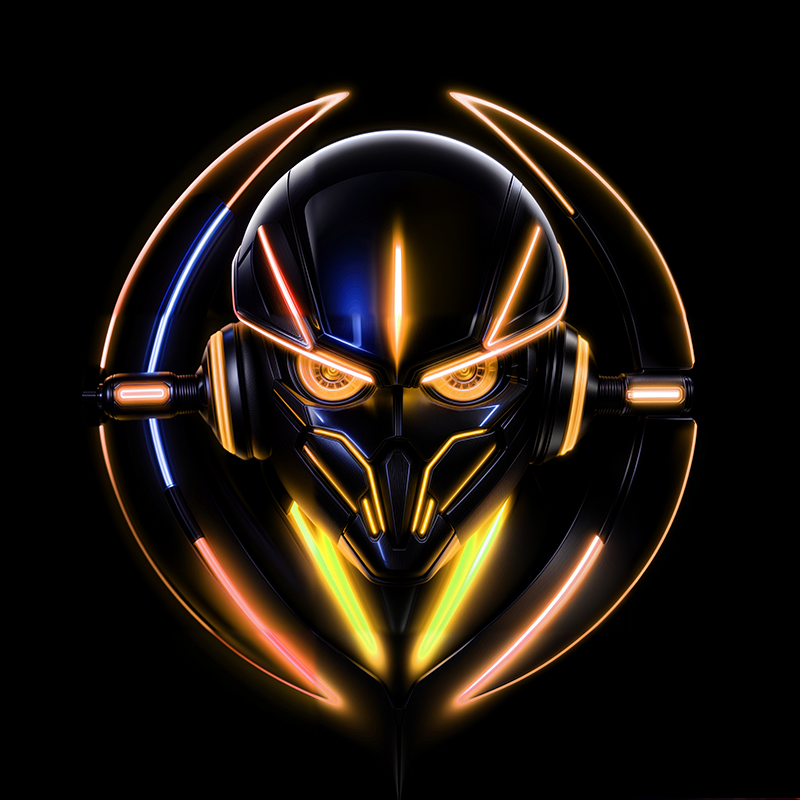
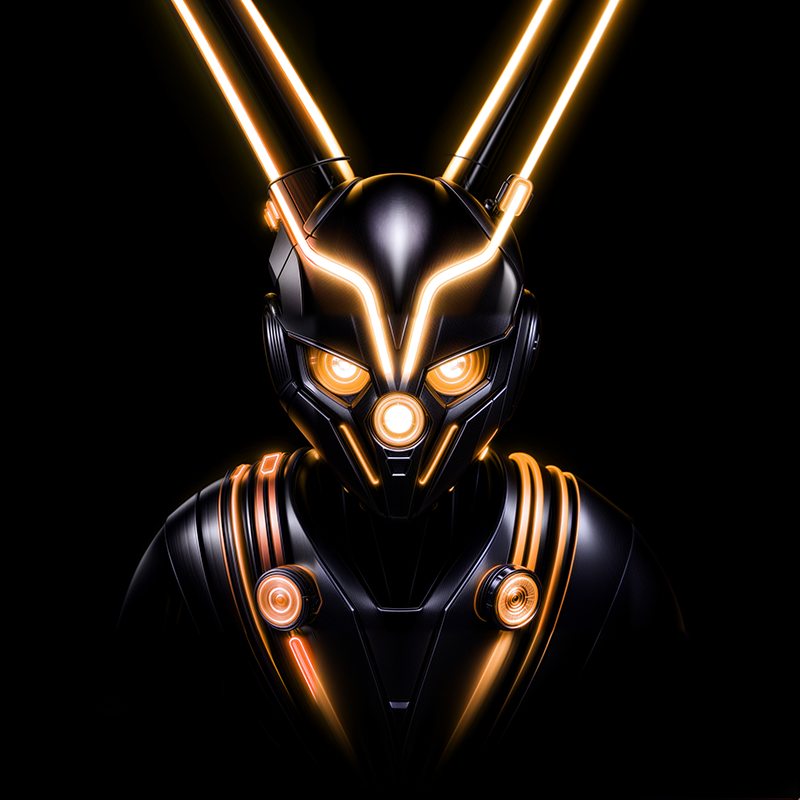
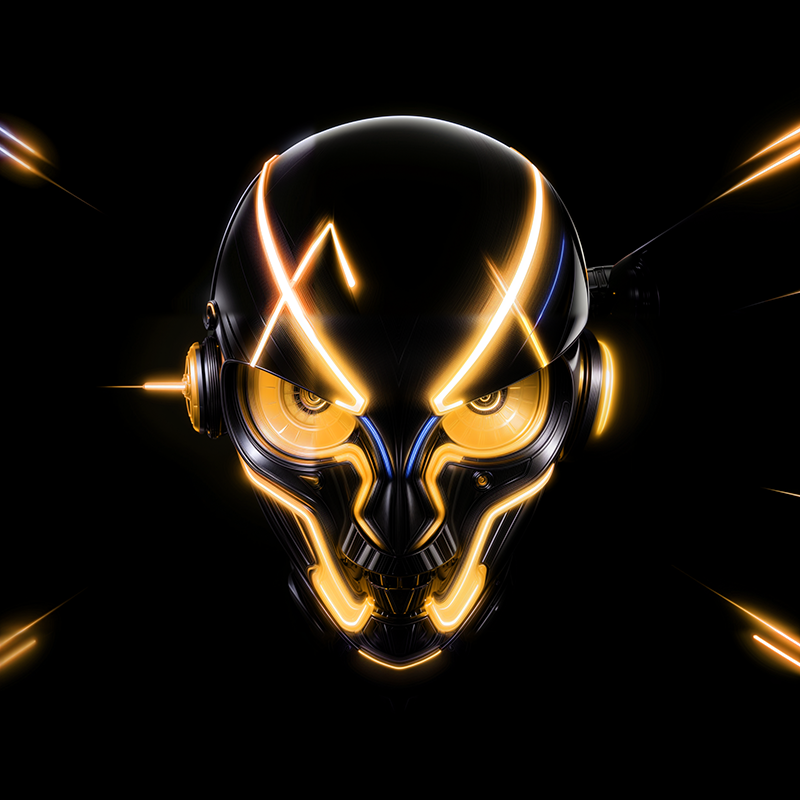
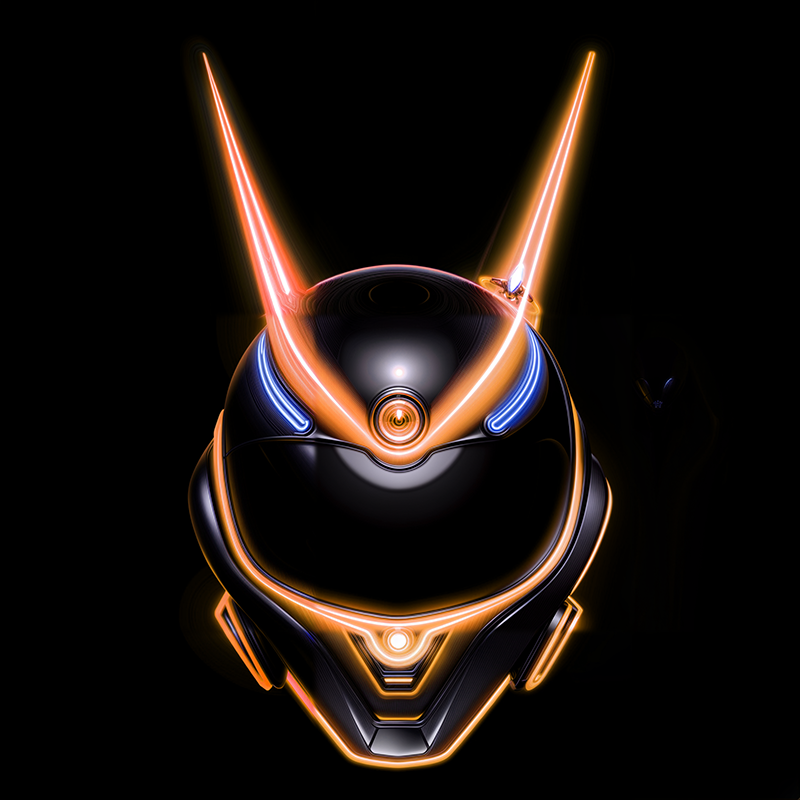
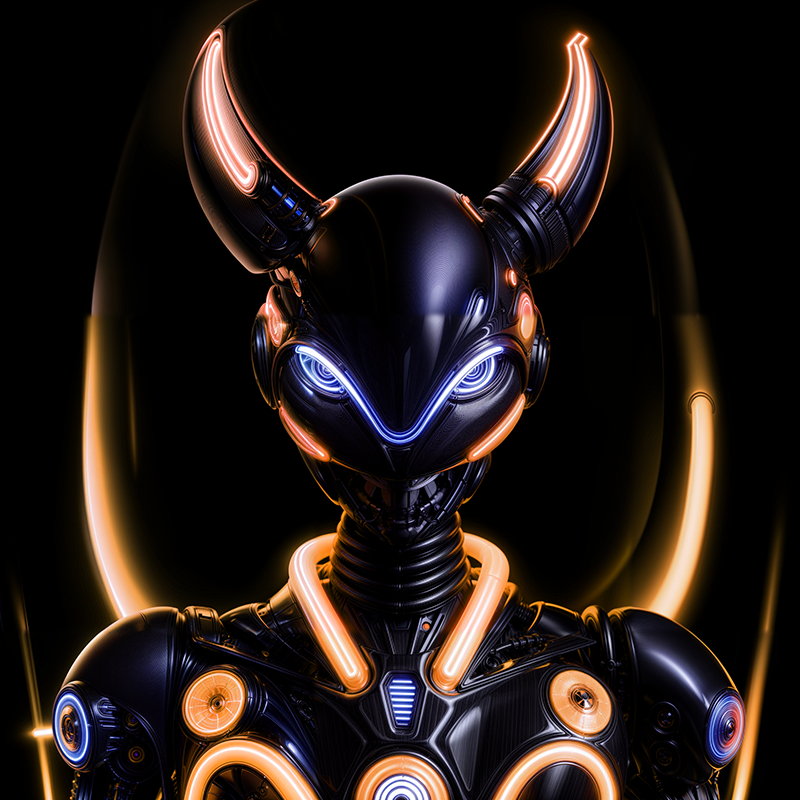
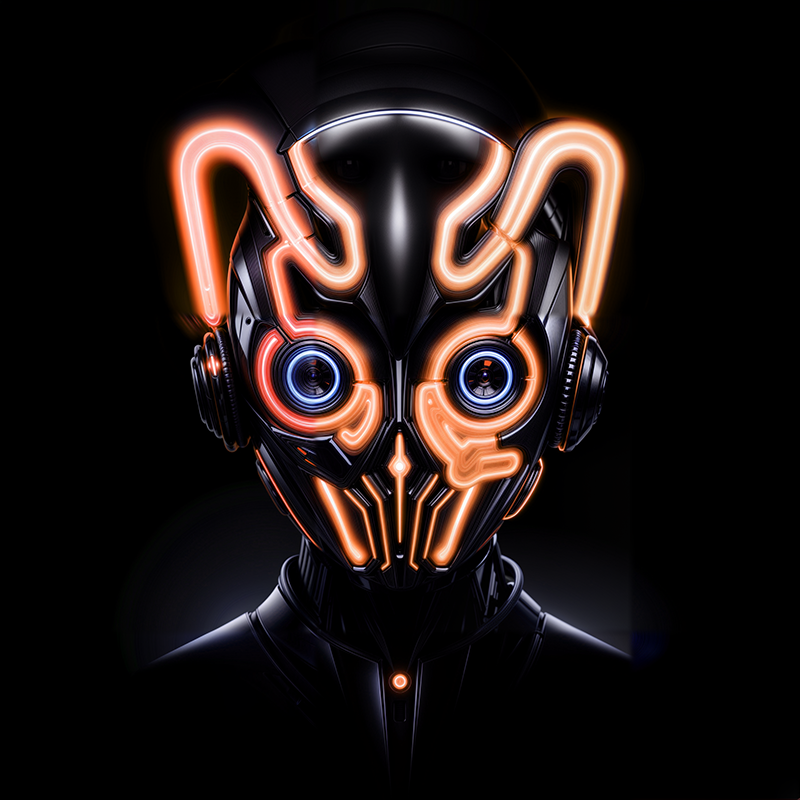
NoGlyph was built on the idea that self-reflection should feel like exploration, not interrogation. Every element - from the masks to the illusions to the shifting prompts - is designed to create a sense of movement through inner space. The system doesn't push you toward an answer; it invites you to wander, hesitate, return, and discover patterns that reveal themselves only when you're not looking directly at them.
Why the Dungeon Exists
The dungeon structure emerged from a simple observation: people understand themselves more honestly when they are immersed in a world rather than confronted by a questionnaire. By turning introspection into a symbolic environment, NoGlyph bypasses the defensive layers that usually distort self-evaluation. The result is a psychological experience that feels less like taking a test and more like navigating a story written in your own reactions.
How the System Interprets You
The system blends local computation with adaptive models to create interpretations that feel personal, not generic, and that evolve as you move deeper into the dungeon.
What NoGlyph Is
NoGlyph is not a clinical tool, not a diagnosis, and not a casual quiz. It is a psychological dungeon: a guided descent through questions, patterns, and symbols that respond to how you write, skip, hesitate, and choose.
NoGlyph is a cinematic experience built around 1250+ handcrafted questions, symbolic images, optical illusions, and stereograms. Instead of giving you a label, it returns narrative profiles that explore your blind spots, patterns, and hidden layers.
The dungeon adjusts to you: it avoids going too deep too early, balances areas of life, and mixes direct and indirect prompts to keep the experience honest but bearable.
Under the surface, NoGlyph runs a hybrid engine: local analysis in PHP and JSON, combined with an AI backend that builds the final narrative profiles. It tracks which areas you explore more, which ones you avoid, how you type, and how you move through the dungeon.
The semantic layer scores answers, manages diversity, avoids repetition, and decides when to push, when to slow down, and when to shift topics to protect your mental load.
NoGlyph is built for introspection, not judgement. It does not try to fix you, diagnose you, or tell you who you are in one sentence. It mirrors patterns, tensions, and contradictions in a language that blends psychology, symbolism, and narrative.
The point is not to get a final answer, but to get a sharper mirror - one that notices the stories you keep repeating and the ones you never tell.
You move through up to 100 questions, optical illusions, and stereograms. Your answers, skips, and notes are woven into four main narrative profiles: Soft Mode, True Mode, Brutal Mode, and Hidden Layer - plus an Astral Mode if you choose to share your birth data.
The flow is designed to feel cinematic: checkpoints, review screens, local analysis, and a final report that reads less like a test result and more like a psychological dossier written specifically for you.
The Astral module is optional. If you choose to share your birth date, NoGlyph adds an astral profile on top of your psychological dungeon: sign, ascendant, element, rhythm, and a symbolic mini-chart.
It is not predictive astrology. It is used as an additional symbolic language - another way to describe tensions, drives, and recurring themes in your narrative.
Key Elements of NoGlyph
- Curated psychological prompts
- Adaptive semantic engine
- Cognitive typing meta tracking
- Symbolic images & illusions
- Local + AI hybrid analysis
- Astral module (optional)
- Cinematic dungeon flow
- Narrative multi-mode profiles